


The Connection Between Diet and Skin: What Every Esthetician Should Know

Diet plays a fundamental role in maintaining skin health, influencing everything from hydration levels to wrinkle prevention. As an esthetician, understanding the diet-skin connection can significantly enhance your services, empowering you to guide clients toward better skincare routines and dietary choices that support their skin goals.
Importance of Diet in Skincare ✅
The skin is the body's largest organ; like every other organ, it reflects what we eat. A diet rich in essential nutrients can lead to a glowing complexion, while poor dietary choices can manifest in skin issues like acne, dryness, and premature aging. As skincare professionals, estheticians are in a unique position to educate clients about the powerful relationship between diet and skin.
This article aims to equip estheticians with the knowledge needed to understand how different foods and nutrients impact the skin. We'll dive into the science behind the diet-skin connection, explore key nutrients that promote healthy skin, and highlight foods that may hinder your clients' skincare progress.

The Science Behind Diet and Skin
↪ How Nutrients Affect Skin Physiology
Skin health and appearance depend on various vitamins, minerals, and antioxidants.
Vitamin C:
Crucial for collagen production.
Essential for collagen synthesis, keeping skin firm and resilient.
Vitamin E:
Offers antioxidant protection.
Helps protect skin cells from oxidative stress.
Vitamin A:
Important for skin cell turnover.
Retinoids in Vitamin A help keep skin smooth and youthful.
↪ Hydration is another key factor in skin health. Water helps maintain skin elasticity, plumpness, and overall radiance. Skin can become dry, tight, and more prone to wrinkles without adequate hydration. This is why emphasizing water intake and consuming foods with high water content, like cucumbers and watermelon, can make a noticeable difference in skin quality.

↪ The Gut-Skin Axis
The gut-skin axis links gut health to skin condition, an emerging area of interest.
A healthy gut microbiome:
Supports a strong immune system.
Enhances the skin's ability to fight infections and inflammatory conditions like acne and eczema.
✔ Probiotics:
Found in fermented foods like yogurt and kimchi.
Help maintain a balanced gut microbiome, potentially leading to clearer, more resilient skin.
✔ Prebiotics:
Found in foods like garlic and onions.
Feed good bacteria in the gut, further supporting the gut-skin connection.
Key Nutrients for Healthy Skin
↪ Vitamins and Their Benefits
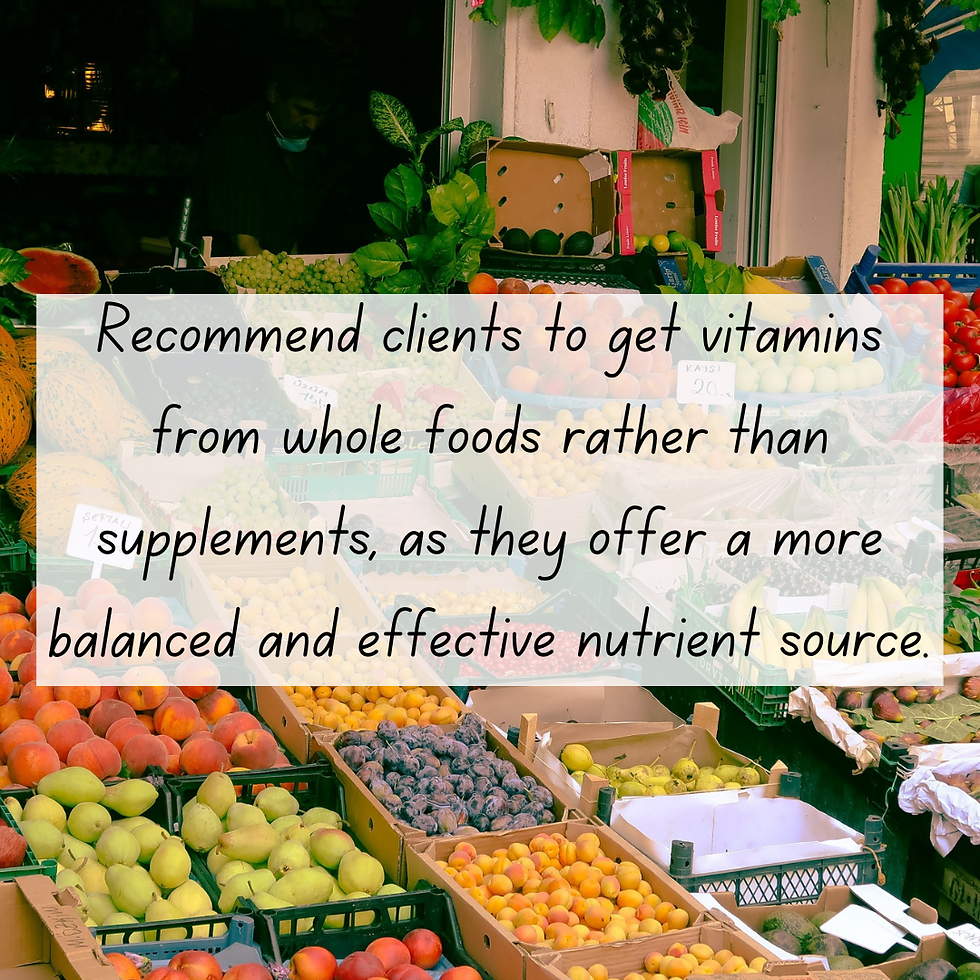
🔹 Vitamin C: Known for its role in collagen production, Vitamin C is a powerful antioxidant that also aids in skin repair. Citrus fruits, strawberries, and bell peppers are excellent sources.
🔹 Vitamin E: This antioxidant protects the skin from oxidative stress and helps maintain its moisture barrier. Nuts, seeds, and spinach are rich in Vitamin E.
🔹 Vitamin A: Essential for skin cell turnover, Vitamin A (especially in the form of retinoids) helps to keep skin smooth and reduces the appearance of fine lines. Sweet potatoes, carrots, and dark leafy greens are great sources.
↪ Essential Fatty Acids
Essential fatty acids, particularly Omega-3 and Omega-6, are crucial for maintaining the skin's barrier function and keeping it hydrated. Omega-3 fatty acids, found in fish like salmon, as well as flaxseeds and walnuts, have anti-inflammatory properties that can help calm irritated skin and reduce redness.

↪ Antioxidants
Antioxidants are vital for preventing oxidative stress, a major contributor to skin aging. They neutralize free radicals,protecting skin cells from damage. Berries, green tea, and leafy greens are rich in antioxidants, making them excellent additions to any diet focused on skin health.
Foods That Can Harm Skin Health
↪ High sugar intake:
Triggers inflammation.
Spikes insulin levels, leading to breakouts and worsening acne.
↪ Processed foods:
Often contain unhealthy fats and preservatives.
Can cause dullness, clogged pores, and premature aging.
↪ Dairy Products:
Evidence suggests a link between dairy consumption and acne.
This connection is especially noted in those who are lactose intolerant or sensitive to milk hormones.
The relationship is still under study, but reducing dairy intake may help clients with persistent breakouts.
↪ High-Glycemic Index Foods:
High glycemic index foods (e.g., white bread, sugary snacks, certain cereals) cause rapid blood sugar spikes.
These spikes can lead to increased oil production and inflammation, contributing to acne.
Encourage clients to choose low-glycemic alternatives like whole grains to help manage skin issues.
Special Considerations for Common Skin Conditions
↪ Acne
Reducing the intake of high-glycemic foods, dairy, and sugar can make a significant difference for clients with acne-prone skin. Incorporating more omega-3 fatty acids and antioxidants into their diet can help reduce inflammation and promote clearer skin.
↪ Eczema and Psoriasis
These inflammatory skin conditions can often be managed through an anti-inflammatory diet. Foods rich in omega-3 fatty acids, antioxidants, and probiotics can help reduce the severity of symptoms. Encouraging clients to avoid common triggers like dairy and gluten may also be beneficial.
↪ Aging and Wrinkles
A diet rich in antioxidants, vitamins, and hydration is essential to combating signs of aging. Foods like berries, green tea, and fish not only provide essential nutrients but also help protect the skin from environmental damage and maintain its elasticity.
Conclusion
Diet plays a critical role in skin health, influencing everything from acne to aging. By understanding the connection between what we eat and how our skin looks and feels, estheticians can offer more holistic and effective skincare advice.
Estheticians are more than just skincare experts; they are educators and guides who can help clients achieve healthier, more radiant skin by incorporating dietary considerations into their skincare regimens.
Always approach the diet-skin conversation with empathy and understanding, recognizing that dietary changes can be challenging for some clients.
🔹Tip: Start small—suggest one or two dietary changes and build from there. Success with these initial steps can motivate clients to continue improving their diet and, consequently, their skin.

Comments